Why Danville Homeowners Go With Outside Mount (and When Inside Wins)
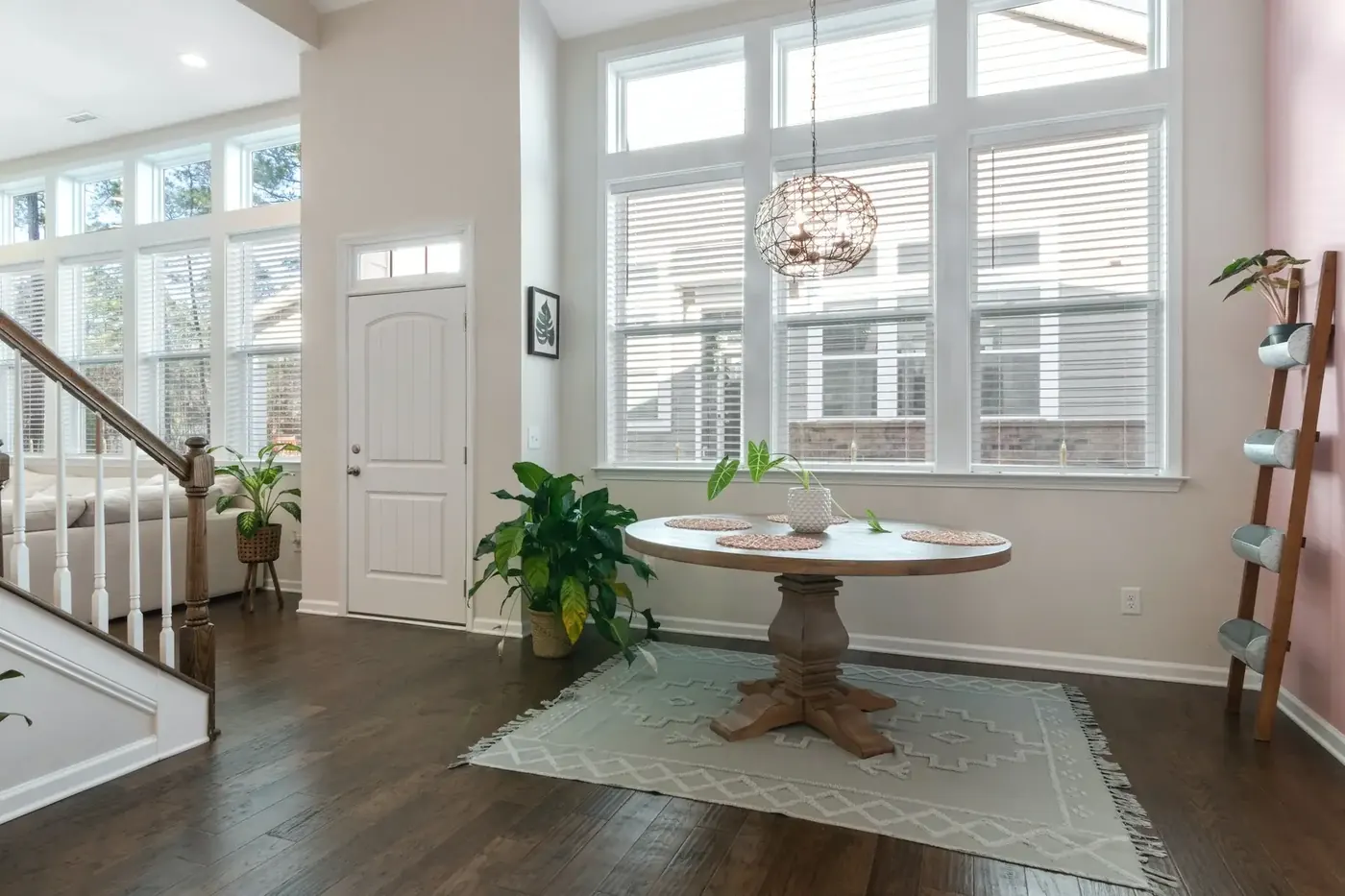
Every set of new blinds starts with one decision that shapes everything after it: does the hardware sit inside the window frame, or does it mount to the wall around it? Homeowners in Danville ask about this more than almost anything else, usually after they've already picked a color and fabric and then realized nobody explained the mount.
Inside Mount and Outside Mount, Defined
Strip away the marketing and it comes down to geometry. Inside mount means the blind's hardware fits inside the four sides of the window frame, so the finished product sits flush with the wall, roughly level with the trim. Outside mount means the hardware sits proud of the frame, mounted to the wall or trim surrounding the window rather than inside it.
Older Danville homes with deep original wood frames often have the depth for either option, which puts the decision in the homeowner's hands rather than the frame's. Newer construction is more of a mixed bag. Some builders use deep frames, others use shallow ones, and it's genuinely common to find both situations in the same subdivision depending on the builder and the window brand they used.
Neither mount is objectively better. They're two different tools built for two different situations, and a good measure tells you which tool actually fits the window you're standing in front of.
Mixing Mounts and Getting a Consistent Look Room to Room
It's genuinely common for one Danville house to end up with inside mount bedrooms, outside mount bathrooms, and a living room that could have gone either way. That mix isn't a sign of a compromise. It's just what happens when each room's actual needs get taken seriously instead of forcing one mount across the whole house.
The place to watch for consistency is within a room that has more than one window, and across rooms that are visible from each other at the same time. A great room with sightlines into the kitchen and up a staircase benefits from matching colors and headrail styles even where the mount underneath varies slightly.
What you want to avoid is a single wall with mismatched mounts on windows that clearly belong together. If two windows in the same room can't take the same mount for some structural reason, it's worth discussing options that keep the look unified rather than discovering the mismatch after installation.
There's no prize for guessing right on mount style, and getting it wrong on a custom order means living with the result or paying to redo it. Have someone check the depth, the trim, and the obstructions in person before you order, and the rest of the decision gets a lot simpler.
Why Homeowners Choose Outside Mount
Another myth: that outside mount is just the fallback for windows that can't do inside mount. Sometimes that's true, but plenty of homeowners choose it on purpose, even on windows with plenty of depth, because it closes the light gap entirely and can make a small window look larger by extending coverage past the actual glass.
It's also the more forgiving option structurally. An out-of-square frame, common in older Danville homes that have settled over the years, matters a lot less with outside mount since the header hangs from a level point above the opening rather than needing to fit snugly inside a crooked one.
The honest downside is size. To actually close those light gaps, the hardware needs to extend several inches past the frame on each side, which makes the finished product noticeably bigger than the window itself. On a small window, that can look heavier than expected if you haven't seen it measured out ahead of time.
Depth, Obstructions, and Other Mounting Realities
Depth is the number that actually rules on this, not preference. Faux wood blinds generally need at least 2 to 2.5 inches of clear space. Cellular shades can sometimes fit in a bit less. Shutters are the most demanding of the bunch, usually wanting 3 to 3.5 inches since the panel frame itself takes up real room inside the opening.
The number on paper doesn't always match the number in reality, though. A frame can measure 3 inches deep on a tape and still fail for inside mount because a crank handle sticks an inch into that space, or because the sill slopes toward the glass instead of sitting flat, which means a blind might technically fit but won't hang level once it's in.
Trim added after the original window was installed is another common surprise. It can eat into the usable depth without anybody noticing until a measure gets taken, which is exactly the kind of thing that turns an assumed inside mount into an outside mount at the last minute.
Why Homeowners Choose Inside Mount
Inside mount is the default a lot of Danville homeowners reach for because it looks clean and doesn't add bulk to the wall. If you've got nice trim you paid for, or a window with detail you want to keep visible, inside mount lets that trim keep doing its job instead of disappearing behind a headrail.
It also tends to work best in rooms where the shade needs to sit close to the glass, like a kitchen window over a sink where outside mount hardware might interfere with a faucet or a cabinet edge.
The tradeoff is real, though. Inside mount blinds show a small gap of light along the sides and sometimes the top, because the blind has to be built slightly narrower than the opening to physically fit inside it. In a nursery or a bedroom where you want the room fully dark, that gap can be annoying enough to change your mind.
Frequently Asked Questions
Why does my window have a gap around the blind?
That's almost always an inside mount doing exactly what it's supposed to do. The headrail sits inside the frame rather than covering it, so a strip of frame stays visible on the sides and sometimes the top. It's not a defect, it's just how that mount works.
Is outside mount more expensive?
Not because of the mount itself. Outside mount usually needs a slightly wider blind to get full coverage, so the material cost can run a bit higher, but the difference is usually modest rather than dramatic.
What if my window frame is uneven or out of square?
That's a common reason to go with outside mount. It hangs from a straight header above the frame, so a crooked or out-of-square opening underneath it matters a lot less than it would with a blind trying to fit snugly inside the frame itself.
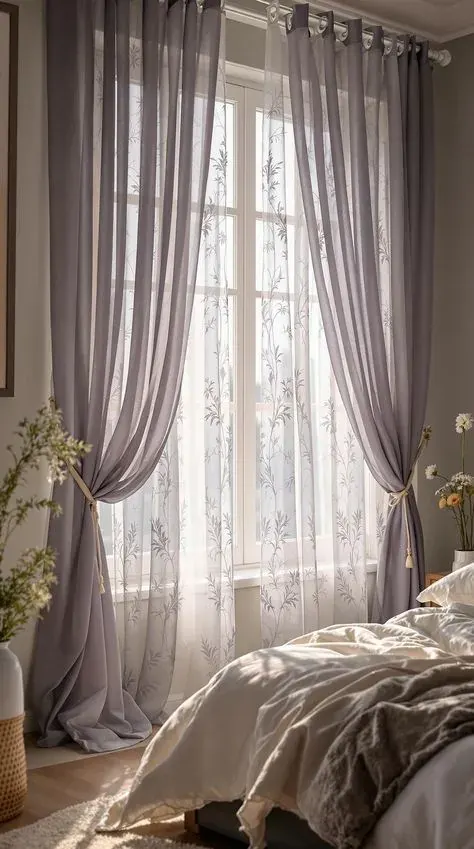 How to Choose Drapery Fabric and Color in Danville
 Outfitting a Danville Apartment Building With Window Coverings
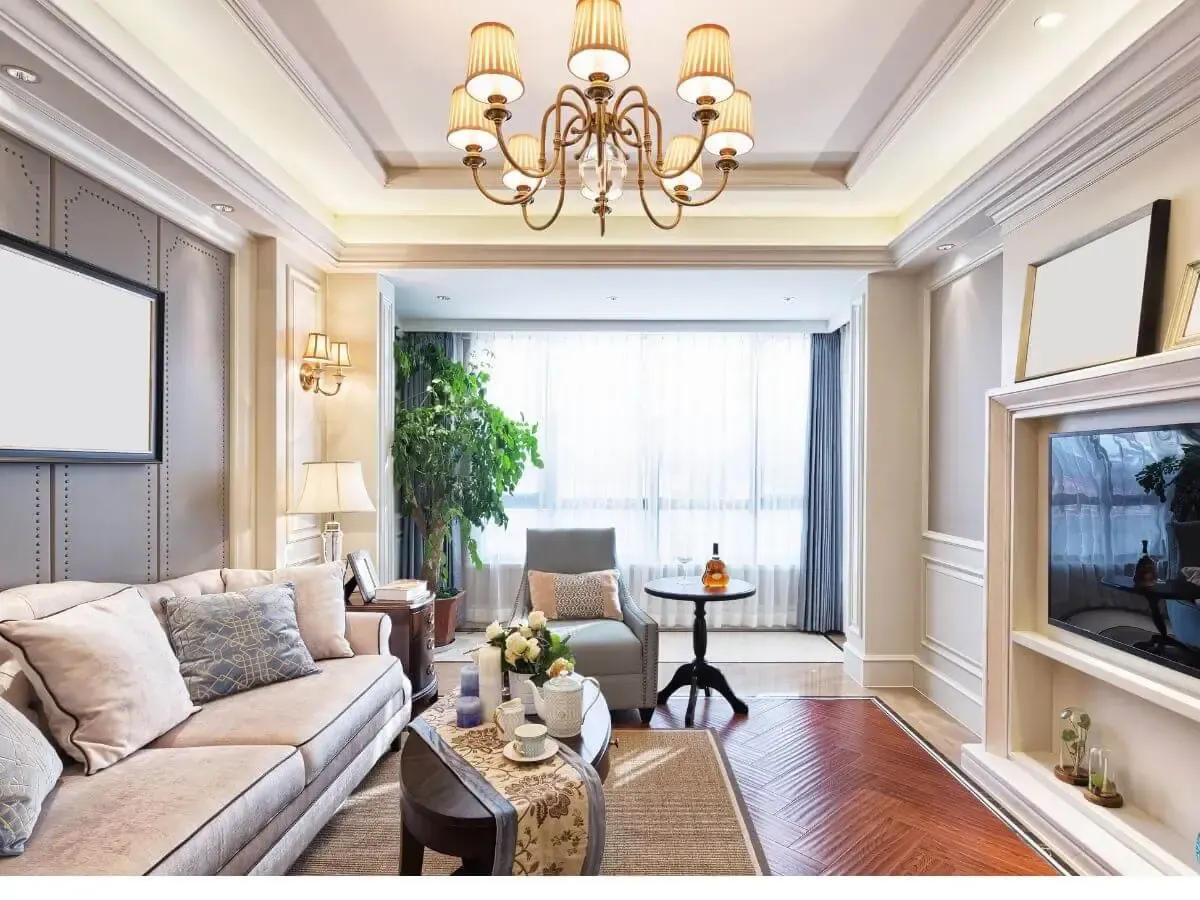 Where Roller Shades Belong in a Danville House, Room by Room