Outfitting a Danville Apartment Building With Window Coverings

Specifying window coverings for a Danville apartment building involves a different set of decisions than a single-family rental, starting with how many units the same order needs to cover.
Why Rental-Grade Window Coverings Aren't the Same Product as Retail
Anyone who's walked a unit at move-out in Danville knows the list: a bent slat here, a missing tilt wand there, a cord that's been chewed by whatever pet the lease technically didn't allow. Retail-grade blinds bought for a homeowner's living room were never designed with that use case in mind. Rental-grade product is built around the assumption that it needs to survive people who didn't choose it and won't be around to maintain it.
Vinyl and faux wood blinds are the default for a reason. They shrug off the kind of everyday abuse that would dent or discolor real wood, and replacing one damaged slat or an entire cheap unit costs a fraction of what a nicer material would. A scratched or gouged real wood slat is often a whole-blind replacement, while a vinyl slat can sometimes be swapped individually if the line is still in stock.
Durability: What Actually Survives Between Tenants
Track what actually breaks across a property for a year and a pattern shows up fast: vertical blinds on patio doors, cheap paper-composite blinds in bathrooms, and bent slats near the bottom rail where furniture gets moved in and out. Those categories account for most reorders in a lot of buildings, and each one has a known fix.
Switching patio doors to a cordless cellular shade or panel track at the next turnover, specifying true vinyl or PVC composite for bathroom windows, and choosing a slightly heavier-gauge slat for ground-floor units all cost a bit more per window up front. Compared against the labor cost of fielding the same repair call every year or two, the math usually favors spending more once.
Weighing Upfront Cost Against How Often You'll Replace It
The cheapest blind on the price sheet isn't the cheapest blind if it needs replacing every single turnover. National pricing for basic vinyl minis sits at the low end of the range and faux wood a step above it, both well under custom materials, but the real number that matters is how many tenants a given product survives before it needs replacing, not what it cost on day one.
Don't lean on manufacturer warranty to cover that gap either. Most warranties are written for one original household, not a rotating door of tenants, so plan on a modest annual replacement line rather than assuming the first order is the last expense you'll see. Track a couple of turnover cycles and that number stops being a guess and starts being an actual budget line.
For a larger Danville building or renovation, a free in-home measure across a sample of units is a solid starting point for building an accurate spec before the full order goes out.
Ordering and Installing Across Multiple Units or Buildings
Standardizing on two or three sizes and one or two colors across a property makes reordering faster and lets a maintenance closet hold a small stock of spares that fit anything in the building. That's worth more than it sounds like once a property has been operating a few years and turnover requests start coming in regularly.
Working from a unit's floor plan and window schedule speeds up quoting a whole Danville building, but it's still worth field-verifying actual openings before a large order goes in. Older buildings especially don't always match their original drawings, sometimes by half an inch or more, and that's enough to leave a stock-sized blind with a visible gap on either side.
Cordless Options and Why They Make Sense in Rental Units
Across a large property, cordless blinds cut down on a specific category of service call almost entirely, which matters more at scale than it does for a single house. A property with a hundred units fielding even a handful of cord-related repairs a month adds up to real technician hours over a year, and that's before counting the vacancy days a make-ready delay can add during peak leasing season.
Cordless also tends to be the easier sell to a design review or an HOA board, since it reads as a cleaner, more current look in a leasing office or model unit walkthrough, on top of being the more practical choice for day-to-day operation.
Frequently Asked Questions
What's the most durable window covering for a high-turnover rental unit?
For most rental units, 2-inch vinyl or faux wood blinds hold up best against dents, moisture, and everyday wear, and individual damaged pieces are inexpensive to replace. Real wood looks nicer but doesn't handle humidity or rough handling as well, and it costs more to fix when it gets damaged, which makes it a better fit for lower-turnover, single-family rentals than true multifamily units.
Are cordless blinds worth the extra cost in a rental?
Usually, yes. A dangling cord is one of the most common points of damage in a rental unit, whether from kids, pets, or just wear over time, and every broken cord or cord lock becomes a maintenance call. Cordless lift systems remove that failure point, and the modest price difference at purchase is often smaller than the cost of fielding repeat repair requests.
Should every unit in a building have the same window coverings?
Standardizing on a small number of sizes and colors across a property makes reordering and repairs much faster, since a maintenance closet can hold spares that fit any unit. It's worth the tradeoff of slightly less individual customization, especially for properties with regular turnover.
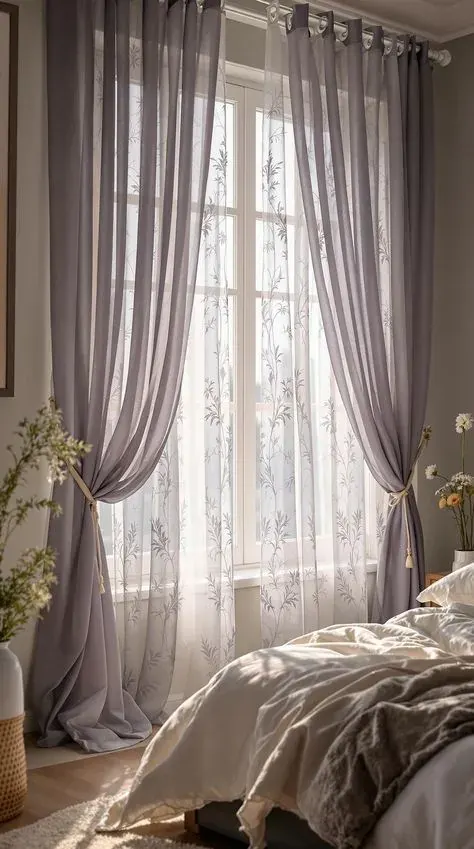 How to Choose Drapery Fabric and Color in Danville
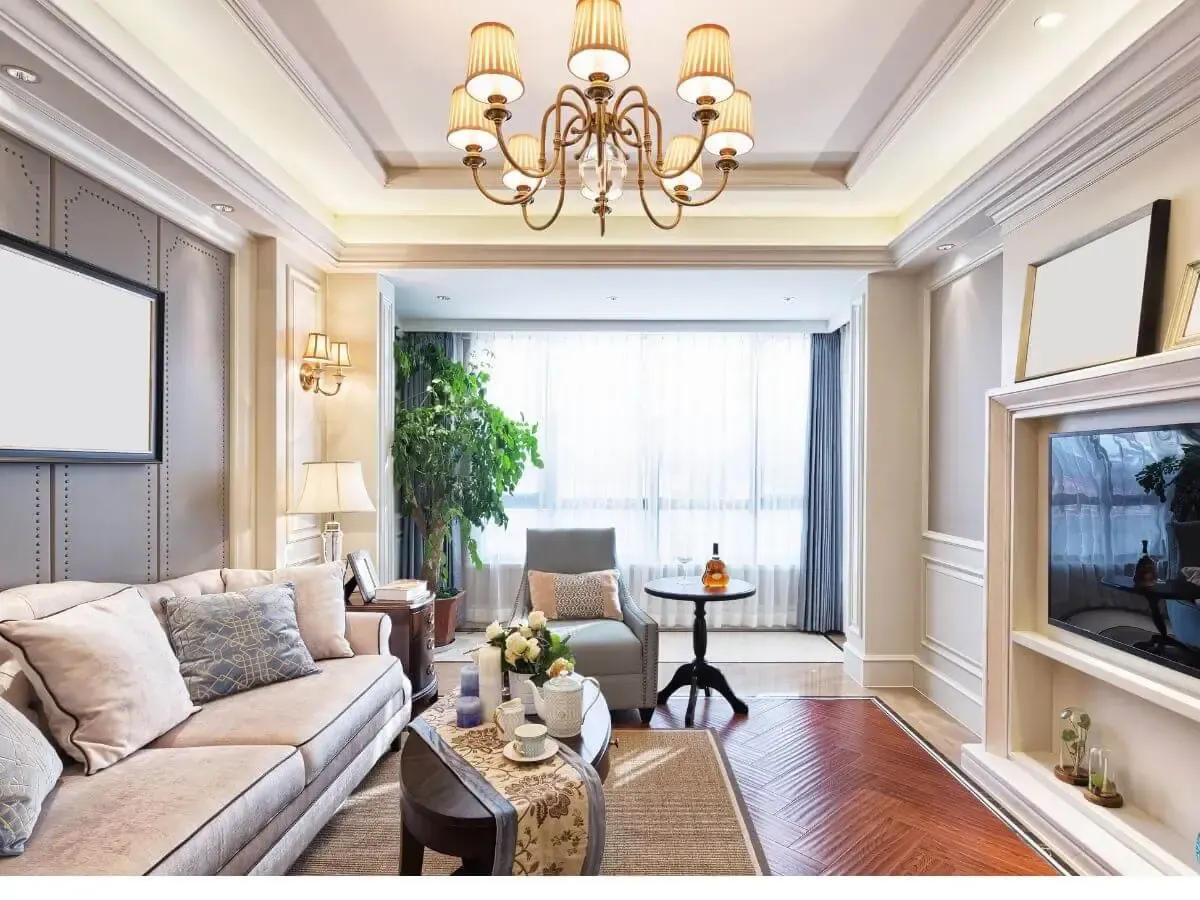 Where Roller Shades Belong in a Danville House, Room by Room
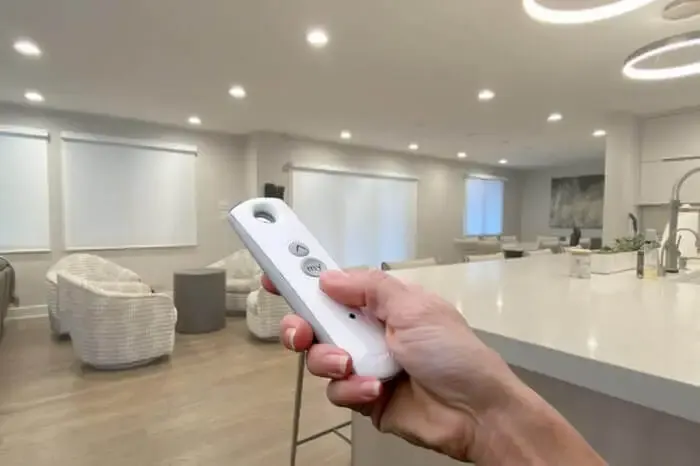 Living With Motorized Shades in a Danville Home